Find home use body shaping massager for Home, Salon, Body
Source 30 home use body shaping massager units from verified suppliers. Compare specifications like voltage, power, and materials including silicone and ABS across portable and salon-grade models.
Key considerations
Products List




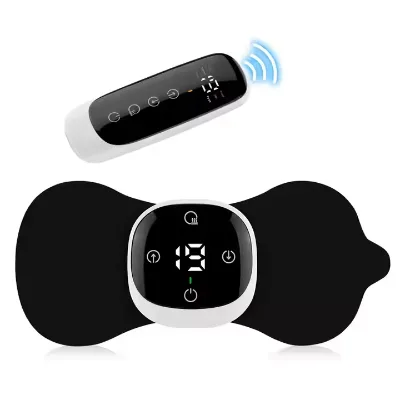
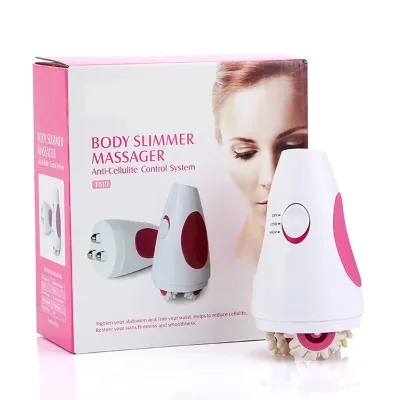


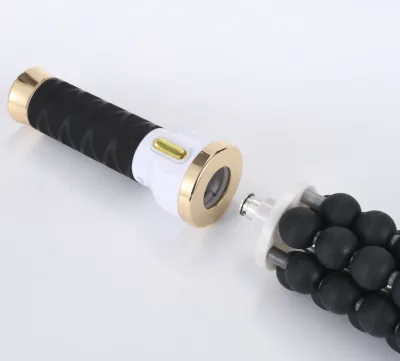


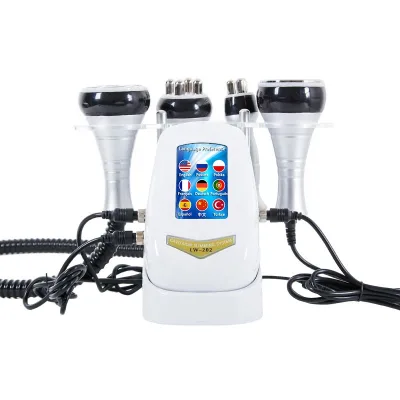

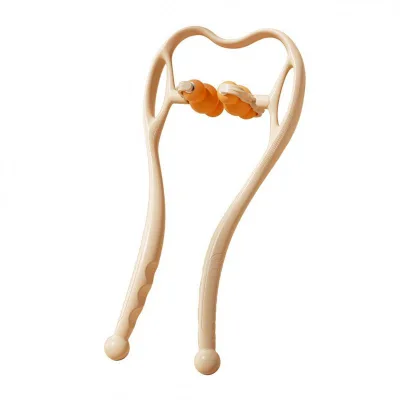

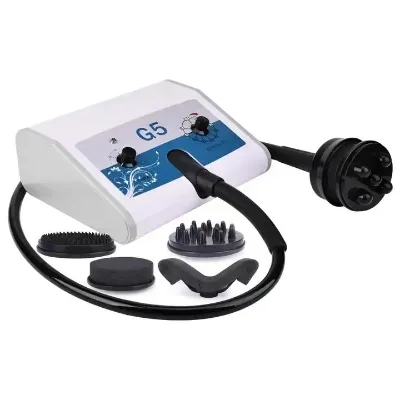
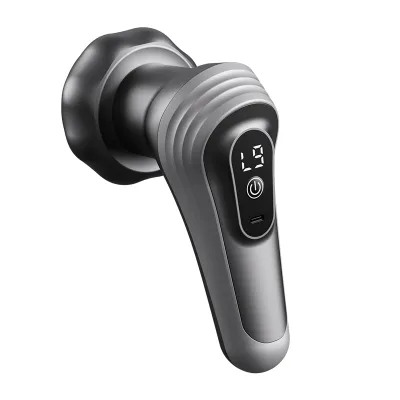

Comprehensive Sourcing Guide
Strategic Sourcing Guide for Home Use Body Shaping Massagers
The global market for home use body shaping massagers has expanded significantly, driven by consumer demand for non-invasive wellness solutions that replicate professional salon results within a domestic setting. For B2B procurement professionals, navigating this category requires a disciplined approach that distinguishes between verified product attributes and marketing claims. This guide synthesizes observed market data to provide a framework for evaluating suppliers, understanding technical specifications, and ensuring product quality without relying on unverified assertions. The following sections detail the critical factors buyers must address when sourcing these devices.
Technical Specifications and Functional Architecture
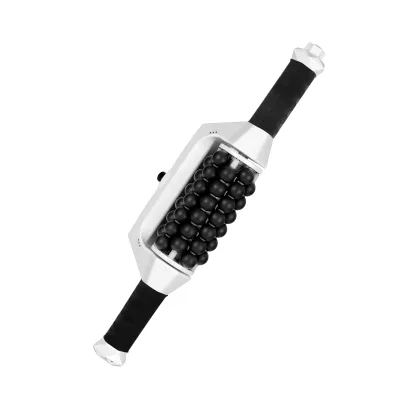
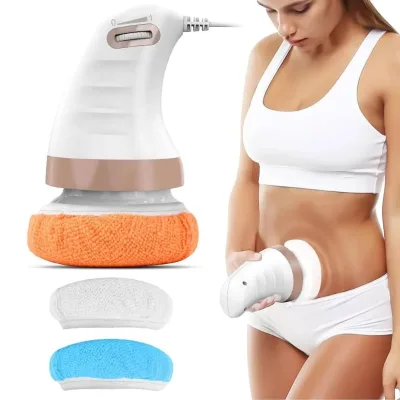
When evaluating potential suppliers, the primary focus must be on the technical architecture that defines the device's efficacy. Based on observed product data, the market offers a diverse range of technologies, from mechanical rollers to electronic vibration systems. A critical distinction exists between products utilizing a "Roller" technology, which often feature a 360-degree roll ball design, and those employing vibration mechanisms with multiple massage heads.
Buyers should scrutinize the material composition, as this directly impacts durability and user safety. The most common materials observed in this sector are Silicone Products and ABS plastic. Silicone is frequently used for contact surfaces due to its skin-friendly properties, while ABS provides the structural rigidity required for the device housing. The power source is another fundamental specification; while some units are designed for plug-in operation with AC110-220V or 110-240V compatibility, others may rely on different power inputs.
The physical dimensions and weight are vital for logistics and user experience. Observed data indicates significant variance in single package sizes, ranging from compact units measuring approximately 21.7 cm on each side to larger systems with package dimensions around 63x25x16 cm. Similarly, weight specifications vary from lightweight handheld units at 750g to heavier, more robust machines weighing up to 5.5 kg including packaging. Procurement teams must align these specifications with their target demographic; a portable, lightweight device suits the "Home Use" application, whereas heavier units with higher power outputs (e.g., 100W maximum power) may be better suited for professional salon environments or high-end home setups.
Application Scenarios and User Demographics
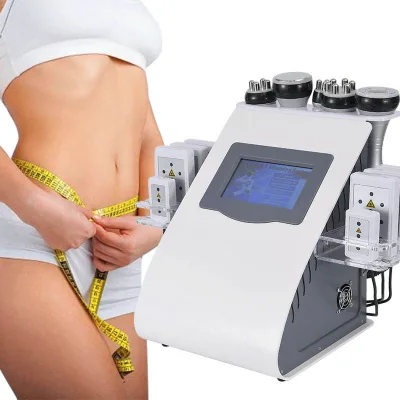
Understanding the intended application is essential for matching the right product to the right market segment. The data reveals a bifurcation in usage scenarios: "Home Use" and "Salon" applications. While many devices are marketed for both, the physical specifications often dictate the primary use case. For instance, units labeled as "Body Slimming Machines" or "Muscle Stimulators" often feature multiple massage heads (such as 5PCS configurations) and are designed for comprehensive body shaping and slimming functions.
The target demographic is generally "Unisex," indicating that the design should be ergonomic and accessible to a broad audience. However, specific features like the number of bio pads (e.g., 10 pairs) or the specific type of massage head suggest a more targeted approach to muscle stimulation and body shaping. Buyers must verify that the product's stated functions, such as "Body Slimming," "Body Massage," or "Skin Tightening," align with the regulatory definitions in their target markets. It is crucial to note that while "Body Wrap Fat Reduction" is a listed product name, the actual mechanism of action should be clearly understood to avoid misleading marketing claims.
Cost Drivers and Pricing Dynamics
The pricing landscape for body shaping massagers is highly variable, with observed ranges spanning from $1.32 to $795 USD. This wide disparity is driven by several key cost factors. First, the complexity of the technology plays a significant role; simple roller devices may sit at the lower end of the spectrum, while advanced vibration machines with multiple heads and specialized electronics command higher prices. Second, the material quality, specifically the grade of silicone and the durability of the ABS casing, influences the unit cost.
Minimum Order Quantity (MOQ) is another critical cost driver. The observed MOQ range spans from 1 unit to 500 units. Suppliers offering low MOQs (e.g., 1-10 units) are typically better suited for testing new markets or small-scale retailers, whereas high-volume buyers can negotiate better unit economics by committing to larger orders. Additionally, customization options, which are noted as "Available" for many products, will inevitably increase the cost per unit. Buyers must balance the desire for branded or customized packaging against the budget constraints, understanding that customization often requires higher MOQs and longer lead times.
Compliance, Certification, and Regulatory Verification
In the medical and wellness device sector, compliance is non-negotiable. While specific certification data in the provided context is marked as low-confidence or background information, buyers must independently verify the regulatory status of any supplier. The presence of certifications such as CE or standards like ISO 9001 are often cited in the industry, but these should not be assumed without documentation.
Procurement teams must request valid certificates of conformity from the supplier. For devices intended for the European market, CE marking is a prerequisite, indicating compliance with health, safety, and environmental protection standards. Similarly, ISO 9001 certification ensures that the manufacturer has a robust quality management system in place. Buyers should not rely on the supplier's verbal assurance but must obtain copies of these documents and verify their validity with the issuing bodies. Furthermore, electrical safety standards regarding voltage (AC110-220V) must be verified to ensure the device is safe for use in the destination country's electrical grid.
Supplier Evaluation and Operational Due Diligence
Evaluating a supplier for body shaping massagers requires a multi-faceted approach that goes beyond price. The "Place of Origin" is a consistent data point, with many products originating from Guangdong, China, or specifically Guangzhou. This region is a known hub for electronics and consumer goods manufacturing, but it does not guarantee quality. Buyers should assess the supplier's production capacity, their history of exporting similar products, and their ability to handle the specific "Single Package Size" and "Single Gross Weight" requirements.
The "Product Name" and "Model Number" are critical for traceability. For example, models such as "G2," "JF624I," "JF624E," and "TZJ001" represent specific configurations. A reputable supplier will have clear documentation for each model, including technical drawings and component lists. Additionally, the "Disposable" status of the product is a key differentiator; most observed units are "Non-Disposable," which implies a longer product lifecycle and different maintenance requirements compared to single-use devices. Buyers should verify the "Customization" capabilities, as this indicates the supplier's flexibility in adapting products to specific brand requirements.
Quality Control and Inspection Protocols
Implementing a rigorous quality control (QC) protocol is essential to mitigate the risks associated with electronic and mechanical devices. Given the variance in weight and dimensions, visual and dimensional inspections should be the first line of defense. Inspectors must verify that the "Packing Size" matches the supplier's declaration to prevent shipping cost overruns. For example, a discrepancy between a declared 60x41x17 cm and the actual package could lead to logistical failures.
Functional testing is equally important. Since these devices involve motors, rollers, and vibration mechanisms, random sampling should include power-on tests to ensure the "Maximum Power" and "Voltage" specifications are met without overheating or malfunction. The "Massage Head" configuration must be checked to ensure all units are present and securely attached. For products claiming "Portable" features, the durability of the handle and the integrity of the casing under stress should be tested. Finally, the "Brand Name" (whether OEM or a specific brand like Huanhong) must be applied correctly according to the purchase order to avoid brand infringement issues.
Long-Term Procurement and Supply Chain Resilience
Sourcing body shaping massagers is not a one-time transaction but a long-term partnership that requires strategic planning. The "Lead Time" and "Production Capacity" are critical factors that can impact market responsiveness. While specific lead times are not provided in the observed data, buyers should establish clear timelines for production, especially when customization is involved. The "Selling Units" being listed as "Single item" suggests that the supply chain must be capable of handling both bulk shipments and individual unit orders, depending on the client's needs.
Sustainability and after-sales support are also growing concerns. Buyers should inquire about the availability of spare parts, such as replacement massage heads or power adapters, to extend the product's lifespan. The "Reusable" feature highlights the importance of durability; a product that breaks easily will damage the buyer's reputation. Furthermore, as regulations evolve, suppliers must be willing to adapt their products to meet new safety standards. Establishing a relationship with a supplier who has a proven track record in "Guangdong, China" or "Guangzhou" can provide stability, but it is essential to maintain a diversified supplier base to mitigate supply chain disruptions.
In conclusion, successful procurement of home use body shaping massagers requires a meticulous attention to technical details, regulatory compliance, and supplier reliability. By focusing on verified attributes such as material composition, power specifications, and packaging dimensions, buyers can make informed decisions that align with their business objectives. The wide range of observed prices and MOQs offers flexibility, but it also demands a disciplined approach to due diligence to ensure that the final product meets the highest standards of quality and safety.
FAQs
What materials are used in home use body shaping massagers?
Most devices are constructed from Silicone Products and ABS plastic. Silicone ensures skin-friendly contact surfaces while ABS provides the necessary structural rigidity for the device housing.
Which power specifications are common for these massagers?
Units typically operate on AC110-220V or 110-240V voltage ranges. Maximum power consumption is often around 100W, requiring a plug-in power source for operation.
How does the weight vary across different models?
Weights range from lightweight handheld units at 750g to heavier machines weighing up to 5.5 kg including packaging. This variance impacts portability and suitability for home versus salon use.
Can buyers request customization for these products?
Customization is available for many models in this category. Buyers should expect that customized orders may involve higher unit costs and potentially longer lead times than standard items.
What is the typical minimum order quantity for these items?
The observed minimum order quantity ranges from 1 unit to 500 units. Lower MOQs suit small retailers testing markets, while higher volumes allow for better unit economics.
Where are these massagers typically manufactured?
The primary place of origin is Guangdong, China, with some units specifically from Guangzhou. This region is a known hub for electronics and consumer goods manufacturing.
Which application scenarios are supported by these devices?
Products are designed for both Home Use and Salon applications. Some units feature specific functions like skin tightening or body slimming suitable for professional environments.